
Be Not Afraid
Cast Down the Mighty and Lift up the Lowly

Click below to listen to this week’s reflection.
I’m sitting down to write this reflection on my 44th birthday. This year, with all the chaos in the country and around the world, it doesn’t feel like a happy birthday. It’s just another day. It’s another day of dreading turning on the news. It’s another day of not wanting to hear from people who are misusing faith to justify cruelty. It’s another day of listening to powerful, important sermons from the more and more clergy across denominational and even interfaith lines, reminding the faithful that most of the world’s major religions follow some version of what we usually call the Golden Rule: treat others as we would like to be treated. There is so much pain and suffering all around. Sadly, I’m convinced it’s only going to continue to escalate before it gets better.

I’m certainly not the only person who celebrates a birthday on the 15th day of January. Drew Brees, the Super Bowl-winner and former quarterback for the San Diego Chargers and the New Orleans Saints was born just a few years before me. Academy Award winning actress Regina King was born a few years before him. The Spanish-American actress and comedian Charo was born on the date in 1951. But I’ve always been proud to have a January 15th birthday because I get to share it with the most influential person to be born on that day. The Rev. Dr. Martin Luther King Jr.


I’ve been reflecting a lot on the legacy of Dr. King lately. Because of his influence on the world, I have lived much of my life with the luxury of not having to witness racism and segregation first-hand. Of course, we all know racism still exists. But it usually has been “sanitized” by being… let’s call it discouraged (at least in public). Dr. King faced aggression, assault, violence, extremism, and even an assassination because he spoke for what is right. He was stabbed, belittled, jailed, and shot. All because he reminded people, many of whom claimed to be Christians, that their God made all people of all races and from all parts of the world in God’s own divine image. Dr. King died for the gospel. Dr. King is a hero.
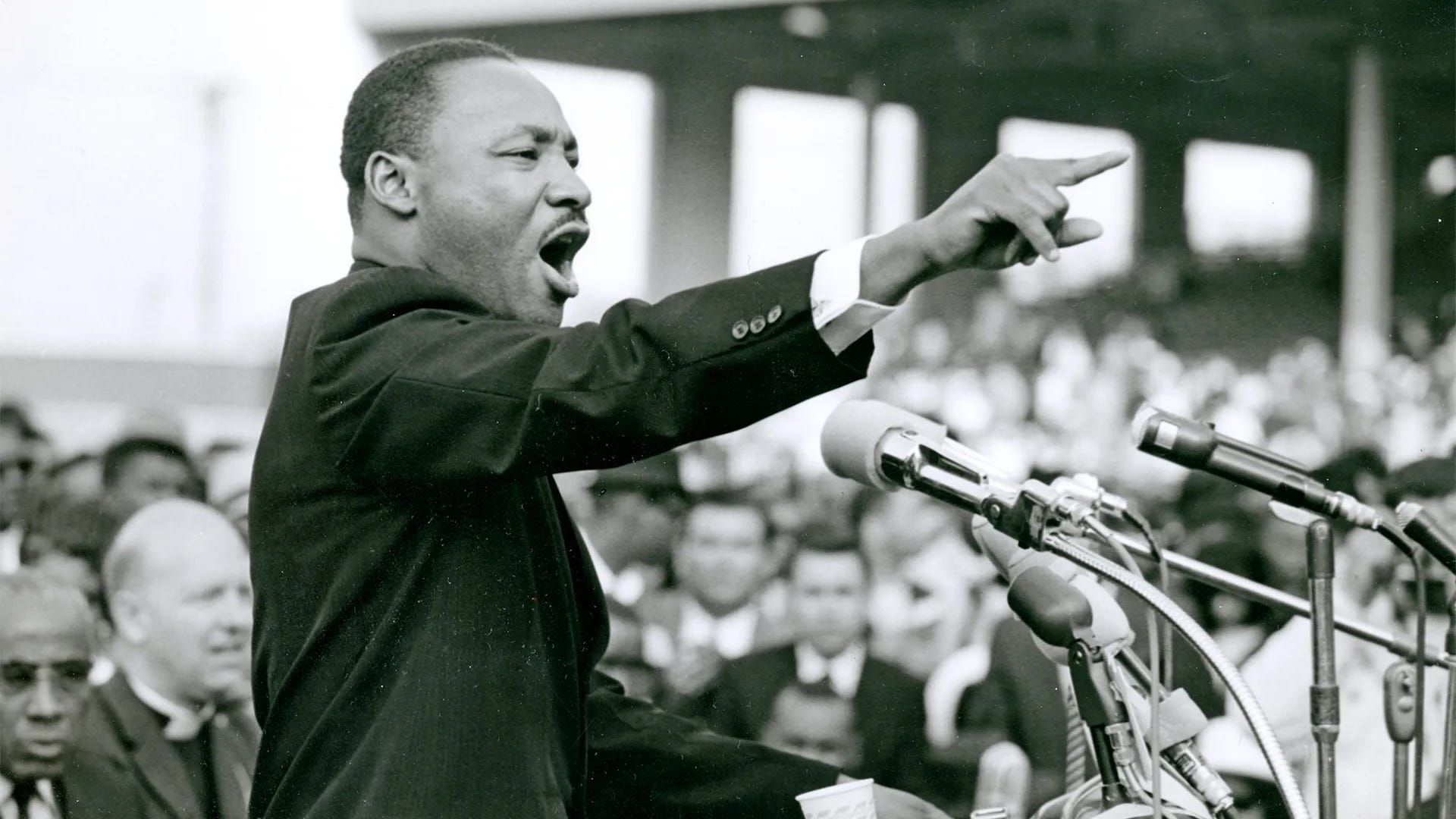
Lately, I’ve been pondering the question: why should it be seen as heroic to say and do the right thing? Why would someone be attacked, beaten, jailed, and even killed, all for promoting a cause of love instead of hate? Light instead of darkness? Good instead of evil? Why do so many people who claim to be Christians continue to participate in systems that promote injustice, rather than to follow the example of Jesus in caring for the people whom society has pushed to the margins? I’m not an expert. I’m just one guy. But here’s what I’ve seen: fear.
Fear is a powerful tool. It can be used to keep people in line. It can be used to get people to conform. It can be used to keep people from speaking up in order to avoid retaliation. Fear is so frequently abused and misused that it convinces people they’re better off going along with the status quo than they are in speaking up to try to make a difference or to change things for the better. For as long as humans have walked the earth, those in power have used fear to keep subordinates from doing things they otherwise would be inclined to do. Remember when we were kids? Even then, kids knew they could use fear and ridicule to control the behavior of others. “Snitches get stitches” was a common thing for kids to say, essentially meaning that if you tell on me, I will retaliate and hurt you. Some kids were labeled as “tattletales” for telling adults about the bad behavior of other kids.
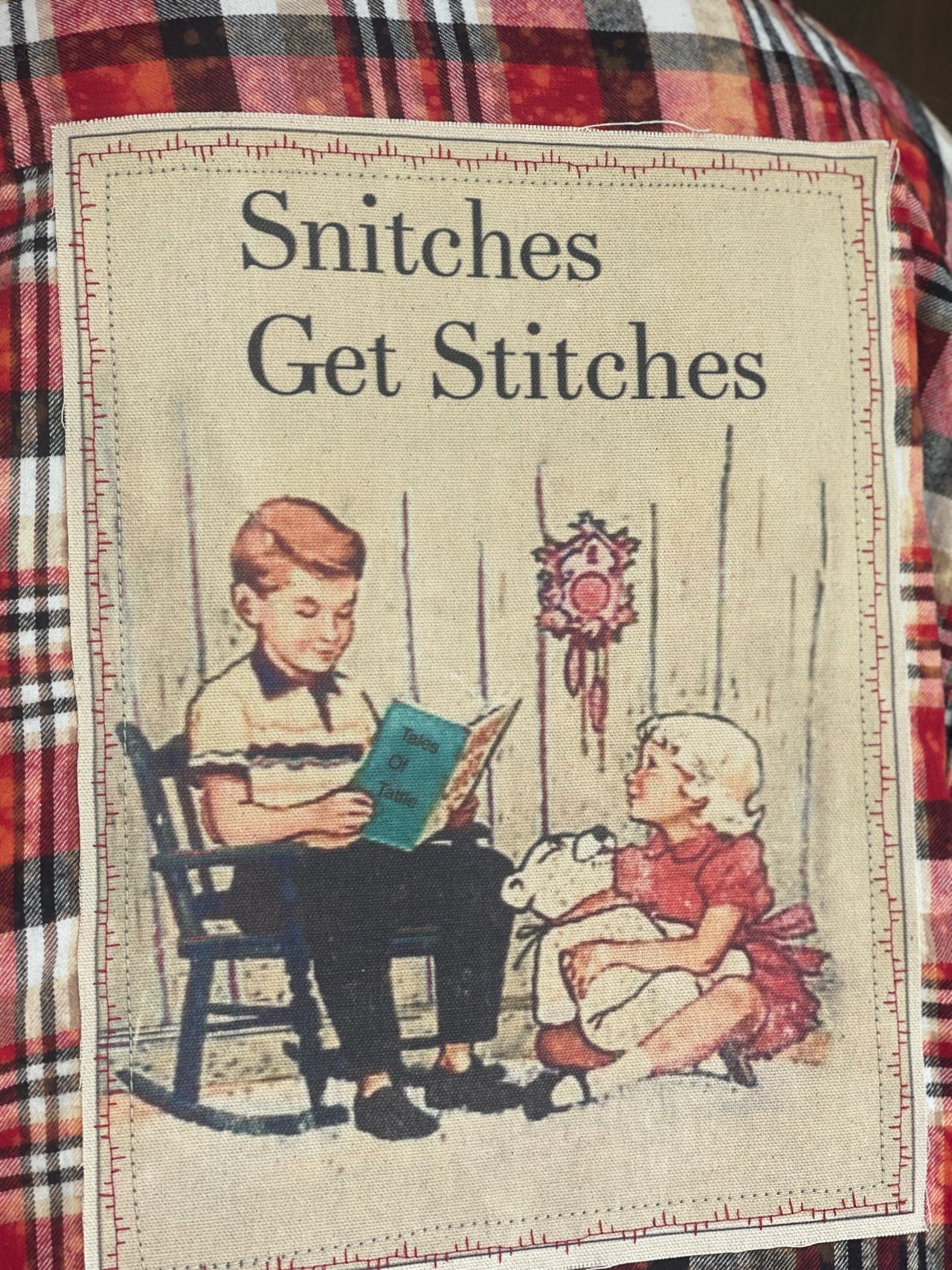
Except, here’s the thing. The term tattletale isn’t supposed to be used for someone seeking help. Instead, it used to refer to someone who shared false information about someone else for the sake of getting them into trouble for something they didn’t do. It was used to describe a gossiper. But shaming someone for being a tattletale can make that person choose to turn a blind eye to the bad behavior of others, permitting them to become more and more bold. It merely perpetuates the cycle of bad behavior without consequences.
Unsurprisingly, Dr. King had some things to say about fear. Dr. King said, “We can master fear through one of the supreme virtues known to man: courage. Courage is the power of the mind to overcome fear. Unlike anxiety, fear has a definite object which may be faced, analyzed, attacked, and, if need be, endured.” Dr. King is one of the most visible examples of courage of all time. But what is courage?
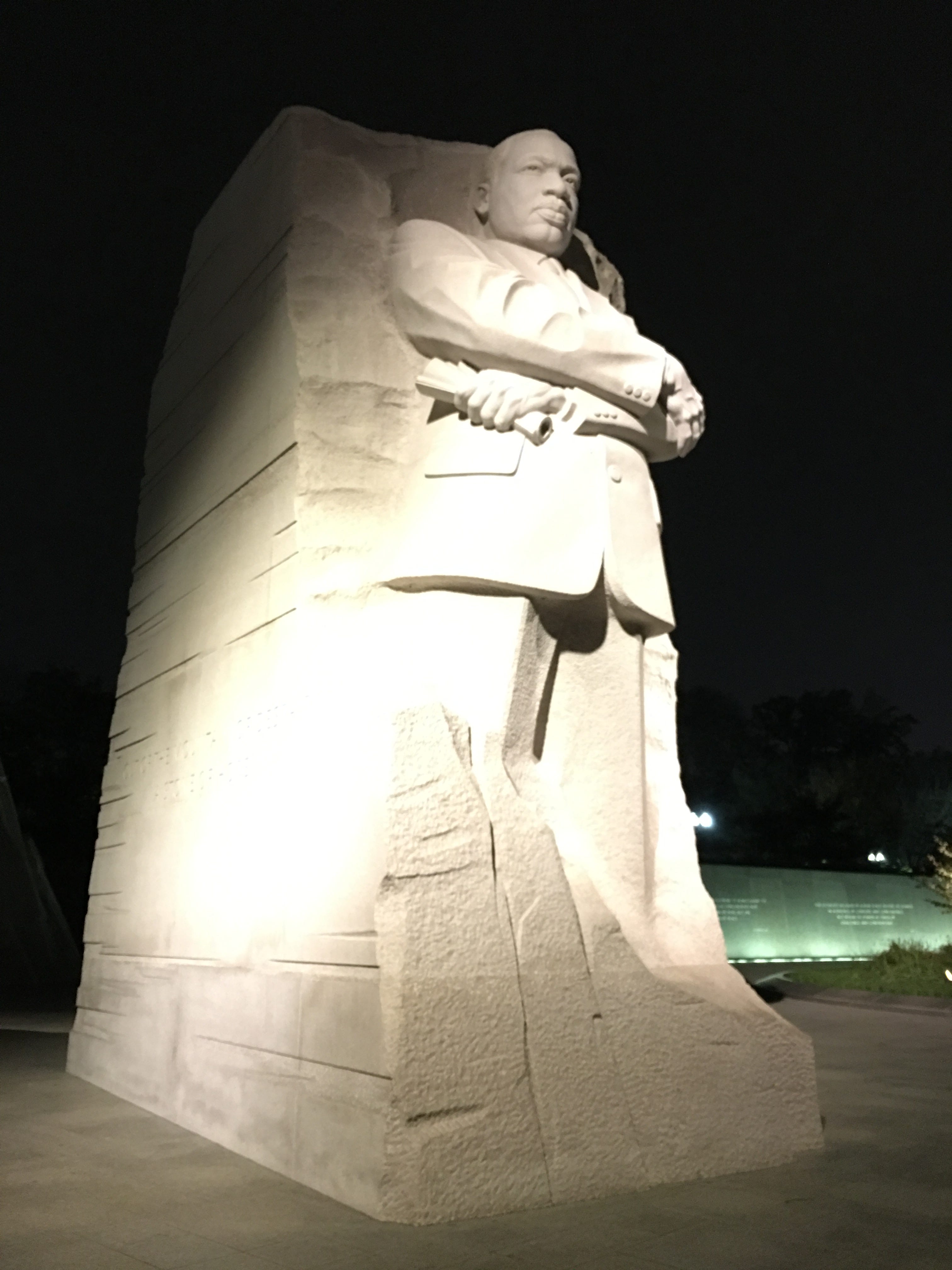
Courage is a Christian virtue. St. Thomas Aquinas, one of the theologians we consider to be a Doctor of the Church, wrote in the Summa Theologica that courage is the highest virtue. “Fear of dangers or death has the greatest power to make a man recede from the good of reason,” Aquinas wrote in the Summa, his best-known publication. As a virtue, courage doesn’t mean merely behaving recklessly and putting oneself in danger’s way needlessly. Instead, it means recognizing the potential danger involved and choosing to act for a greater good without allowing the danger to stop us. It isn’t courageous to run across the 405 Freeway in Los Angeles for the sake of running across the freeway. In fact, it’s foolish. However, if a puppy is trapped between lanes, and someone takes the calculated risk of going into traffic with the intention of attempting to save the puppy, then that is courageous. Doing what is right in the face of what is popular, knowing it can potentially cost friendships, financial security, bodily harm, or even death, is courageous. Dr. King risked his life (which was ultimately taken from him) because he spoke for what is right. Dr. King is a textbook example of the Christian virtue of courage.

Fear is only a tool if we allow it to be one. It is ineffective if someone uses intimidation against us and we demonstrate we are not afraid. What does this mean for us as Christians in the United States in January of 2026? In a time when there is turmoil on every corner? In a time when people are being actively harmed and even killed? It means that those of us who are safe must be courageous in defending and protecting those who are not. It’s really as simple as that. Does this mean people will disagree with us? Probably. Does it mean we risk our own bodily harm? Possibly. Are these reasons for us to sit back and watch and simply allow the harm to continue? Absolutely not. This is a time for courage. And it’s a time to demonstrate that we are not afraid.
If you, like me, can enjoy relative safety, then we have a responsibility to obstruct. How do we do this? We each must discern our own gifts and utilize them accordingly. My gifts include writing and using humor. These aren’t tremendous gifts for obstruction, but they can be useful. I can share information. I can teach. I can warn others. I can offer comfort to those who are hurting. And the humor? Well, with humor, maybe I can offer a much-needed distraction. Maybe I can “punch up” and poke fun at those who misuse their positions of power. Maybe I can offer an anecdote that belittles the abusers and gives perspective to others so they can be courageous as well. Some of us have financial resources. Some of us have training. Some of us have goods we can offer. What are your gifts and how can they be used courageously for the sake of goodness? If you haven’t discerned your gifts, then there’s no better time than right now. People are hurting, and we have a collective responsibility to act.
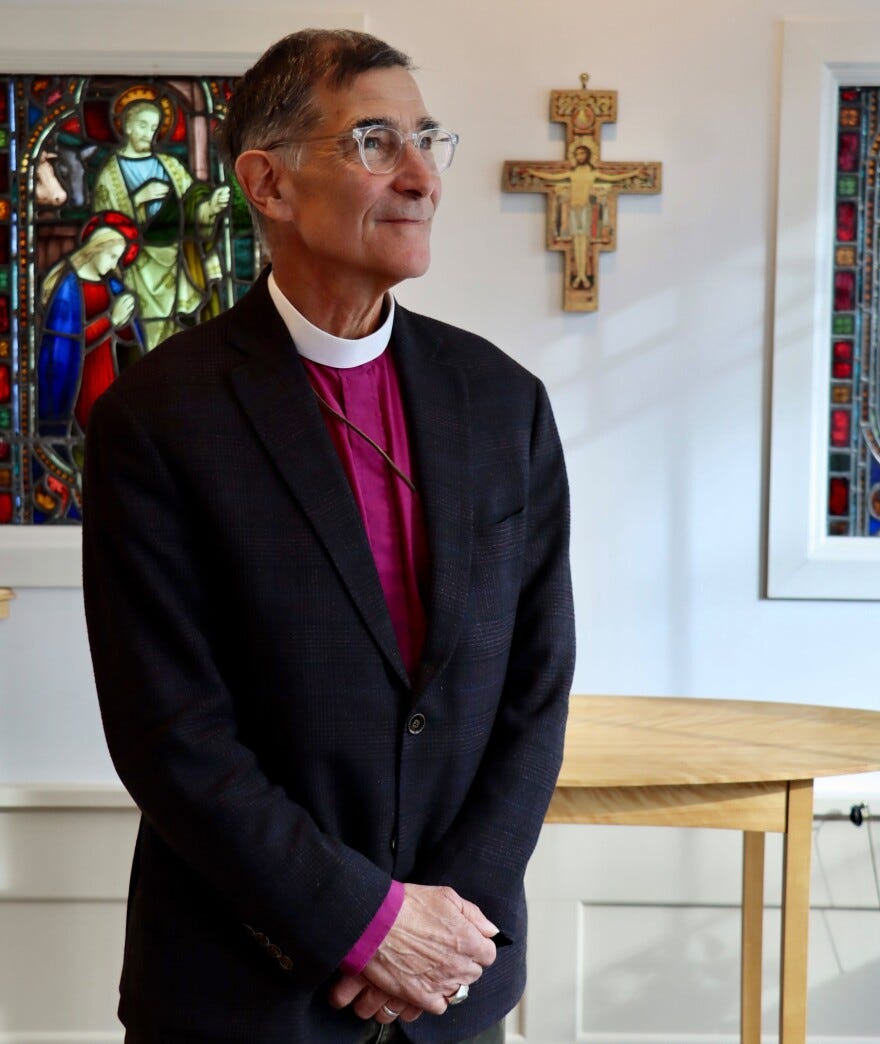
Recently, the Rt. Rev. Rob Hirschfeld, Episcopal bishop of New Hampshire, made national headlines when he shared that he has asked the clergy of his diocese to get their affairs in order. Our Christian witness is so important, he said, that we may have to place our own bodies on the line in protecting the vulnerable. This is a heavy burden to carry. And it’s one we needn’t carry alone. Our collective voices can be louder than the voices of the oppressors and the abusers, and we can make a difference and quite literally save lives. If, and only if, we are not afraid.
Dr. King was a model of courage. He is perhaps best-known for his non-violent approach. He believed non-violence was a more effective tool to affecting change than the use of violence. But he also famously said, “A riot is the language of the unheard.” People riot and resort to violence when they have no other options. Dr. King was in a position to be able to promote non-violence. But not every hurting person has that luxury. Still, Dr. King advocated for love over hate and courage over fear. He said, “Fear is mastered through love. Hate is rooted in fear, and the only cure for fear-hate is love.” He added, “Envy, jealousy, a lack of self-confidence, a feeling of insecurity, and a haunting sense of inferiority are all rooted in fear. Is there a cure for these annoying fears that pervert our personal lives? Yes, a deep and abiding commitment to the way of love.”
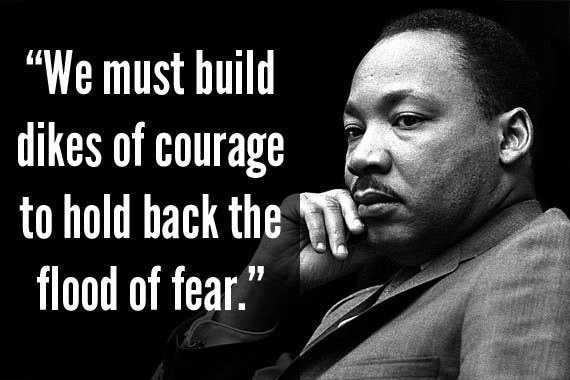
It is important that we cling to hope. And to one another. We need each other. The world needs us. The hurting need us. The suffering need us. And all of us need love. On this, what would have been Dr. King’s 97th birthday, may we all remember his legacy of love, of compassion, of dedication, and of courage. Our Christian faith reminds us that we are safe. Even if we lose our lives, we are still safe. We promise eternal life. Remember the witness of the gospel. And remember the words of Jesus, who time and again told his followers, “do not be afraid.”
Love this, Father! Happy belated birthday 🎂